Health and Safety Policy for Carpet Cleaners E2
 Health and safety is a core part of every carpet cleaning operation. For Carpet Cleaners E2, the aim of this policy is to protect staff, clients, visitors, and the property being cleaned. Carpet cleaning may seem routine, yet it involves water, electricity, chemicals, lifting, and moving equipment in environments where slip risks and other hazards can occur. A clear policy helps reduce incidents and supports consistent working practices across all jobs.
This policy applies to all team members, supervisors, and anyone acting on behalf of the business. It covers planning, equipment use, chemical handling, manual handling, ventilation, cleaning in occupied premises, and emergency response. Every worker must follow safe working methods and report concerns promptly. The business expects a proactive approach where risks are identified early and controlled before work begins.
Our commitment is to maintain a workplace culture that values prevention over reaction. Carpet cleaners must stop work if conditions become unsafe, such as exposed wiring, excessive moisture, aggressive chemical fumes, or unstable furniture. No task should be completed at the expense of personal safety or the safety of others. Good housekeeping, careful preparation, and ongoing awareness are central to this policy.
Key Safety Principles
The first principle is risk assessment. Before starting any job, the operative must assess the work area for likely hazards, including trip points, slippery floors, fragile belongings, restricted ventilation, and the presence of children, pets, or vulnerable individuals. Suitable controls must be put in place, such as warning signs, cord management, protective sheets, or restricted access to wet areas. A short assessment at the start of work helps prevent avoidable harm.
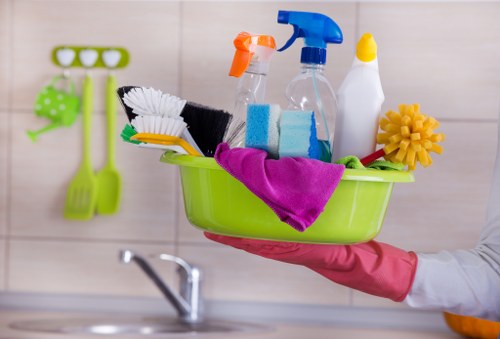
Another important principle is safe chemical use. Cleaning solutions must be selected for the task, used in the correct concentration, and stored securely when not in use. Staff must follow manufacturer instructions and avoid mixing products unless compatibility is confirmed. Gloves, eye protection, and other personal protective equipment should be used when required. Upholstery and carpet fibres may react differently to each product, so testing should be carried out where appropriate before wider application.
 Ventilation also matters. Many carpet cleaning products release moisture or vapour during use, and poor airflow can increase discomfort or chemical exposure. Windows and doors should be opened where possible, and machine use should be monitored to avoid excessive dampness. The goal is to leave the area safe, not merely clean. Drying times must be explained clearly so that floors are not used too early.
Safe Working Practices
Manual handling is a significant part of the job. Equipment, hoses, water containers, and accessories can be heavy or awkward, especially when moved between floors or across long distances. Staff should use correct lifting techniques, keep loads manageable, and seek help when items are too bulky or difficult to handle alone. Where possible, equipment should be wheeled rather than carried. Repeated strain injuries can be reduced by planning the layout of work and rotating tasks.
Electrical safety must be treated seriously. Carpet cleaning machines, extension leads, and drying equipment should be inspected before use to ensure they are in good condition. Damaged cables, loose plugs, or signs of wear must be removed from service immediately. Equipment should be operated only in suitable conditions, away from standing water and other hazards. When connecting or disconnecting equipment, workers must keep hands dry and follow safe isolation procedures.
 Slip prevention is equally essential. Wet flooring, overspray, and trailing hoses can create hazards for both workers and occupants. Clear signage, organised cable routes, and controlled movement around the work zone help reduce this risk. Spills should be addressed immediately and dry paths maintained wherever possible. Carpet cleaning operations must always leave access routes safe and visible throughout the job.
Training, Supervision, and Equipment
All employees should receive suitable training before carrying out work independently. Training should cover safe use of machinery, chemical awareness, manual handling, emergency procedures, and the correct use of protective equipment. Refresher training may be needed when processes change or new equipment is introduced. Supervisors should ensure workers understand the risks associated with different site conditions and can demonstrate safe practice in real situations.
Equipment maintenance is a key control measure. Machines should be cleaned after use, stored correctly, and serviced according to the recommended schedule. Faults must be reported quickly so repairs can be arranged. Well-maintained carpet cleaning equipment is less likely to fail, leak, or create unnecessary hazards. Consumables should also be checked for suitability and condition before use, and only approved products should enter service.
Personal protective equipment must be provided where needed and worn correctly. Depending on the task, this may include gloves, non-slip footwear, masks, or eye protection. PPE is not a substitute for good control measures, but it adds an extra layer of protection. Workers should keep protective items clean and replace them when damaged or ineffective. Safety depends on using the right equipment in the right way.
Emergencies and Reporting
Every worker must know how to respond to incidents, including spills, chemical exposure, electrical faults, injury, or fire. If an emergency occurs, work should stop immediately and the area secured. First aid arrangements, evacuation routes, and site-specific instructions should be followed without delay. Staff should never attempt to handle a serious incident without suitable training or support. Prompt action can limit harm and reduce the impact of an event.
Accidents, near misses, and unsafe conditions must be reported as soon as possible. Recording concerns allows the business to identify patterns and improve controls. This includes minor slips, damaged equipment, poor ventilation, unsafe access, and any event where someone could have been harmed. Carpet cleaners in E2 should treat reporting as part of normal professional practice, not as an optional extra. Learning from incidents supports better future performance.
 Housekeeping must remain strong throughout and after each job. Tools, packaging, cords, and used materials should be removed from walkways, and the work area should be left tidy and safe. Where carpets are left damp, the client should be made aware that care is needed until surfaces are fully dry. Responsibility continues until the area is in a stable, low-risk condition.
Policy Review and Responsibility
 This policy applies to all operations and should be reviewed regularly to keep it relevant and effective. Updates may be needed after incidents, changes in products, new equipment, or revised working methods. Management is responsible for setting expectations, while workers are responsible for following them consistently. A strong safety policy depends on shared commitment, attention to detail, and respect for safe practice at every stage of the job.
By following this policy, Carpet Cleaners E2 can deliver reliable cleaning services while protecting people, property, and equipment. Safe working is not separate from quality service; it is a fundamental part of it. Careful preparation, correct equipment use, good communication, and consistent hazard control help create safer outcomes for everyone involved.